
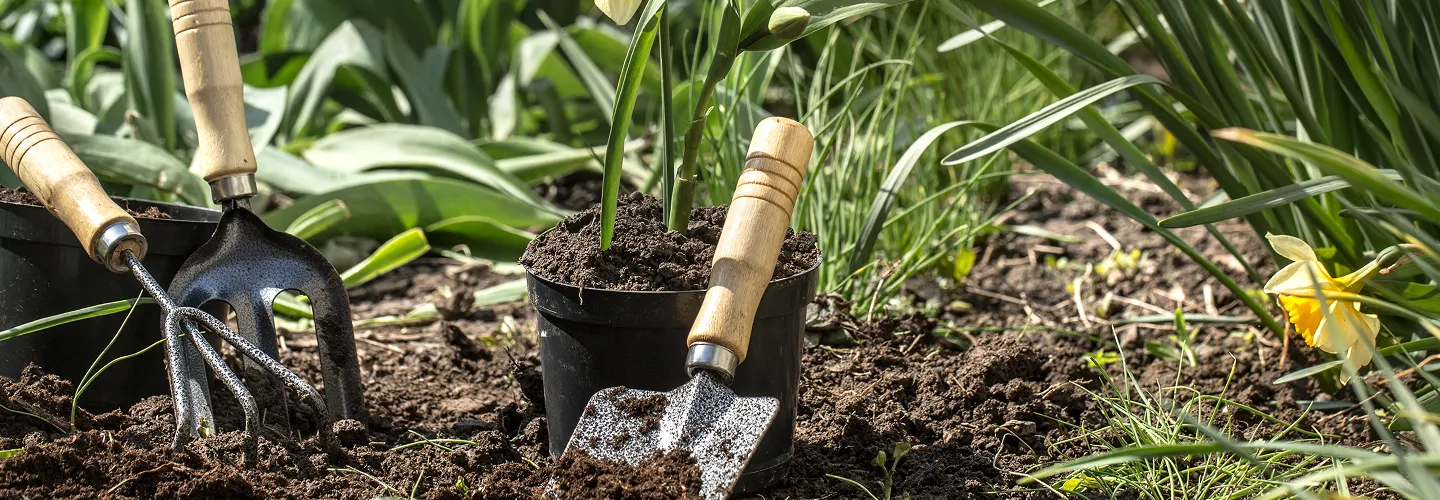
Tarpon Springs Green Waste Disposal Services
Choose our Green Waste Disposal for reliable, environmentally responsible removal of your yard debris—keeping your property clean while supporting a greener community.
Get a Free QuoteOur Tarpon Springs Landscaping & Yard Care Services
When to Schedule Green Waste Disposal in Tarpon Springs, Florida – Seasonal Guide
In Tarpon Springs, Florida, the best times for green waste disposal are closely tied to our unique subtropical climate and the rhythms of local plant growth. With mild winters and hot, humid summers, most homeowners find that late winter through early spring—just after the last frost date—offers an ideal window for clearing out yard debris, pruning, and preparing landscapes for the growing season. Neighborhoods near Craig Park and along the Anclote River often see increased green waste after spring storms or during the fall leaf drop, making these periods especially important for timely disposal.
Local environmental factors such as high humidity, sandy soils, and the prevalence of shade from mature oaks and palms in areas like Whitcomb Bayou can influence how quickly organic debris accumulates and decomposes. Additionally, Tarpon Springs’s susceptibility to summer droughts and heavy rainfall events means that scheduling green waste disposal around these weather patterns helps maintain healthy, attractive yards. For more information on local guidelines and best practices, visit the official municipal resource.
Local Factors to Consider for Green Waste Disposal in Tarpon Springs
- Tree density and types (live oaks, palms, pines)
- Proximity to water bodies (Anclote River, Spring Bayou)
- Seasonal precipitation and hurricane risk
- Soil drainage and composition (sandy, well-drained soils)
- Shade coverage from mature landscaping
- Municipal collection schedules and restrictions
- Neighborhood-specific needs (historic districts, waterfront properties)
Benefits of Green Waste Disposal in Tarpon Springs

Eco-Friendly Landscaping Solutions
Efficient Green Waste Removal
Promotes Healthy Plant Growth
Reduces Landfill Waste
Improves Curb Appeal
Supports Local Sustainability
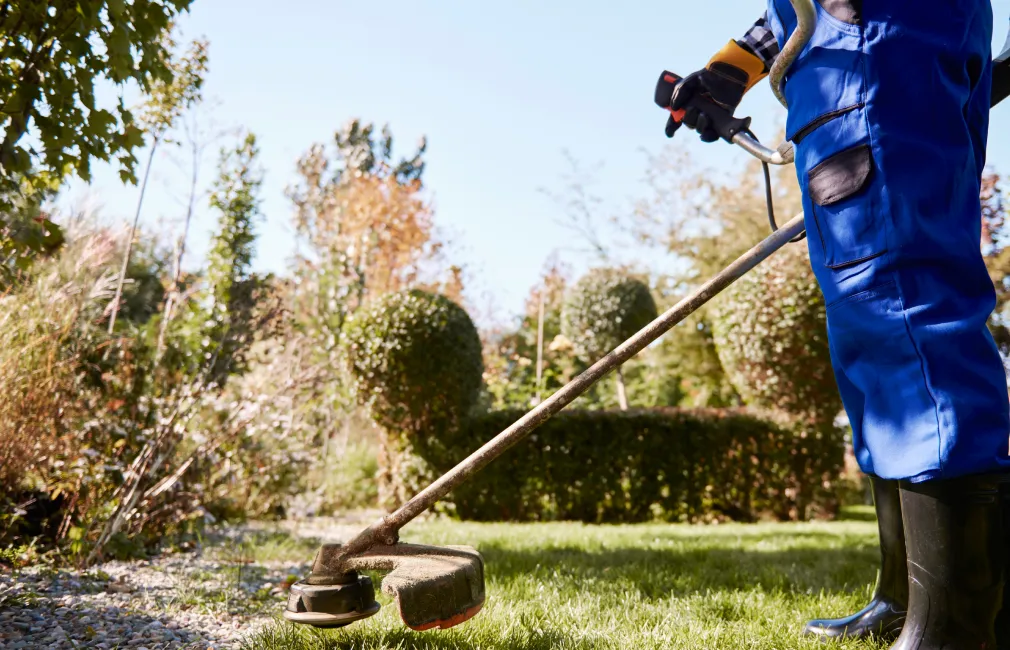
Tarpon Springs Green Waste Disposal Types

Grass Clippings
-
Tree Branches
-
Shrub Trimmings
-
Leaves Collection
-
Palm Fronds
-
Garden Debris
-
Mulch Recycling
Our Green Waste Disposal Process
Collection of Green Waste
Sorting and Separation
Transport to Disposal Facility
Eco-Friendly Processing
Why Choose Tarpon Springs Landscape Services
Tarpon Springs Homeowners Trust Us
-
Expert Lawn Maintenance
-
Reliable Irrigation Solutions
-
Comprehensive Tree Care
-
Seasonal Clean-Up Services
-
Competitive Pricing
-
Professional Team
-
Satisfaction Guarantee
Coordinating Green Waste Disposal with Tarpon Springs Public Works and Stormwater Protection
Green waste disposal in Tarpon Springs is managed through city-coordinated collection and disposal programs designed to protect local drainage systems and waterways. Residents and property managers must ensure that yard debris—such as leaves, grass clippings, and branches—is properly prepared for curbside pickup, typically by bundling or containerizing materials according to city guidelines. Improper disposal can lead to blockages in swales, storm drains, and canals, increasing flood risk and degrading water quality. The Department of Public Works oversees these operations and provides updated procedures for storm debris and routine green waste. For larger volumes or storm-related debris, special collection schedules may apply, and it is essential to keep all materials clear of drainage inlets and rights-of-way until the designated pickup window. For the most current requirements and collection schedules, consult the city’s official resources.
Cooper City Public Works Department
11791 SW 49th Street, Cooper City, FL 33330
Phone: 954-434-2300
Official Website: Cooper City Public Works Department
How Tarpon Springs’s Gulf Coast Climate and Soils Shape Green Waste Handling
Tarpon Springs is situated on Florida’s Gulf Coast, characterized by a humid subtropical climate, high summer rainfall, and sandy coastal soils. These conditions influence both the volume and timing of green waste generation and the environmental risks associated with disposal. Key local factors include:
- Frequent summer storms: Heavy rainfall and tropical systems can rapidly increase yard debris, requiring timely removal to prevent clogging of stormwater infrastructure.
- Sandy, well-drained soils: While these soils allow for quick drainage, they also facilitate nutrient leaching, making it critical to prevent organic debris from entering waterways where it can contribute to nutrient pollution.
- High water table and canal proximity: Many neighborhoods border canals, lakes, or retention ponds, increasing the importance of keeping green waste out of swales and storm drains to protect water quality and reduce flood risk.
For more on local soils, the USDA Web Soil Survey provides detailed mapping for Pinellas County. The USDA Plant Hardiness Zone Map confirms Tarpon Springs as Zone 10a, supporting year-round plant growth and continuous green waste production.
Regulatory Requirements and Environmental Compliance for Green Waste in Tarpon Springs
Green waste disposal in Tarpon Springs is governed by a combination of municipal codes and state environmental regulations. The city enforces rules on the placement, bundling, and timing of yard debris to ensure that materials do not obstruct rights-of-way or enter stormwater systems. Statewide, the Florida DEP NPDES Stormwater Program requires municipalities to implement measures that prevent organic debris from polluting surface waters. Additionally, the Clean Water Act establishes federal standards for stormwater discharges, making it essential for residents and contractors to keep green waste out of curb inlets, canals, and retention areas. Code enforcement officers may issue citations for improper disposal or for allowing debris to accumulate in a manner that threatens drainage or neighborhood appearance.
Cooper City Code Enforcement Department
9090 SW 50th Place, Cooper City, FL 33328
Phone: 954-436-7323
Official Website: Cooper City Code Enforcement Department
Professional Standards and Timing for Green Waste Collection in Tarpon Springs
Effective green waste disposal in Tarpon Springs requires attention to both timing and preparation standards, especially during the wet season and hurricane months. Professional guidance includes:
- Bundle or containerize all yard debris to city specifications, avoiding loose piles that can be washed into storm drains.
- Schedule disposal before forecasted storms to minimize the risk of debris contributing to flooding or waterway pollution.
- Separate green waste from other bulk items to facilitate efficient collection and composting or mulching by municipal crews.
- Keep debris at least several feet from drainage inlets, swales, and canal edges to prevent blockages and comply with stormwater protection requirements.
For additional information on stormwater-safe disposal, refer to the EPA Stormwater Discharges from Municipal Sources and the Florida DEP NPDES Stormwater Program. Adhering to these standards helps maintain neighborhood drainage and supports the city’s compliance with state and federal water quality mandates.
What Neighborhoods Do We Serve Throughout Tarpon Springs, FL?
- Downtown Tarpon Springs This historic core features mature landscaping and older lots, requiring careful green waste handling to protect adjacent canals and brick-lined streets.
- Whitcomb Bayou Waterfront properties here often have extensive tree cover and direct canal access, making debris management critical for water quality.
- Sunset Hills Larger lots and established shade trees generate significant yard waste, with many homes near retention ponds and swales.
- Cypress Park This residential area includes newer subdivisions with fill-based soils and engineered drainage, where proper disposal prevents swale blockages.
- Oakleaf Village Neighborhoods with mixed sun and shade exposure, moderate lot sizes, and HOA landscaping standards benefit from routine green waste collection.
- Keystone Rural and semi-rural parcels with wooded buffers and natural drainage require special attention to debris placement and access for collection vehicles.