
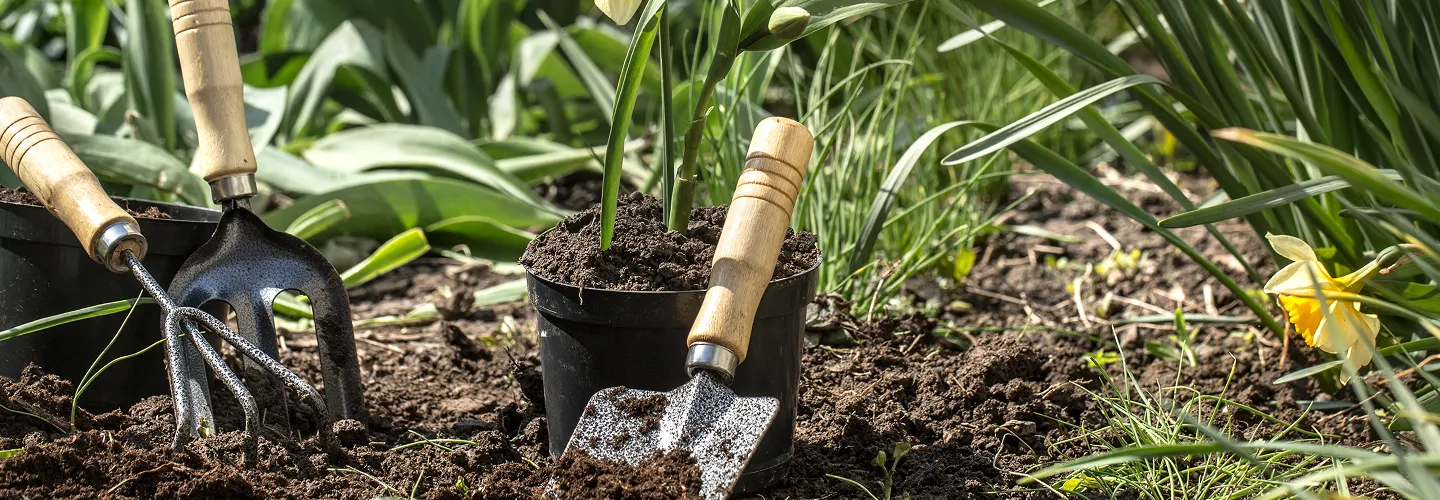
Tarpon Springs Mulching Services
Choose our mulching services for expert installation, premium materials, and long-lasting results that protect your plants, conserve moisture, and enhance your property's curb appeal.
Get a Free QuoteOur Tarpon Springs Landscaping & Yard Care Services
When to Schedule Mulching in Tarpon Springs, Florida – Seasonal Guide
In Tarpon Springs, Florida, the best time to schedule mulching is typically in late winter through early spring, just before the region’s growing season begins. This timing allows mulch to insulate plant roots against any lingering cool snaps while preparing your landscape for the heat and humidity of summer. Neighborhoods near Fred Howard Park and along the Anclote River often experience unique microclimates, so it’s important to consider local conditions when planning your mulching service.
Tarpon Springs’s sandy soils, high humidity, and occasional drought conditions mean that mulch plays a vital role in moisture retention and weed suppression. Homeowners in areas like Whitcomb Bayou or near the Sponge Docks should also be mindful of shade coverage from mature oaks and pines, as well as municipal guidelines for landscape maintenance. For more information on local environmental factors, you can visit the official city resource.
Local Factors to Consider for Mulching in Tarpon Springs
- Tree density and shade coverage, especially from live oaks and pines
- Soil type (sandy or loamy soils common in the region)
- Seasonal precipitation and risk of drought
- Proximity to saltwater or brackish environments
- Municipal restrictions or HOA guidelines on mulch types and application
- Terrain and drainage patterns, particularly in flood-prone areas
Benefits of Mulching in Tarpon Springs
Enhanced Soil Moisture Retention
Weed Growth Suppression
Improved Curb Appeal
Temperature Regulation for Plant Roots
Reduced Soil Erosion
Nutrient-Rich Soil Enrichment
Tarpon Springs Mulching Types

Organic Mulch
-
Inorganic Mulch
-
Pine Bark Mulch
-
Cypress Mulch
-
Rubber Mulch
-
Hardwood Mulch
-
Colored Mulch
Our Mulching Process
Site Evaluation
Soil Preparation
Mulch Selection
Mulch Application
Final Inspection
Why Choose Tarpon Springs Landscape Services
Tarpon Springs Homeowners Trust Us
-
Expert Lawn Maintenance
-
Reliable Irrigation Solutions
-
Comprehensive Tree Care
-
Seasonal Clean-Up Services
-
Competitive Pricing
-
Professional Team
-
Satisfaction Guarantee
Coordinating Mulching Activities with Tarpon Springs Public Works and Stormwater Management
Mulching in Tarpon Springs requires careful coordination with city operations, particularly regarding the placement and disposal of organic materials. The Department of Public Works oversees maintenance of public rights-of-way, drainage systems, and landscaping, making it essential for residents and property managers to ensure that mulch does not obstruct swales, storm drains, or curb inlets. When planning large-scale mulching or bed renovations, it is advisable to notify the department if work may impact public infrastructure or require temporary use of city easements. Mulch and yard waste should never be deposited in the street or near drainage features, as this can contribute to localized flooding and water quality issues. For routine mulching, ensure all materials are contained within private property boundaries and avoid blocking access to city maintenance crews.
Cooper City Public Works Department
11791 SW 49th Street, Cooper City, FL 33330
Phone: 954-434-2300
Official Website: Cooper City Public Works Department
How Tarpon Springs’s Gulf Coast Climate and Soils Shape Mulching Practices
Tarpon Springs is situated in the Gulf Coast Florida region, characterized by high humidity, intense summer heat, and a pronounced wet season from late spring through early fall. These conditions influence mulching in several ways:
- Sandy coastal soils, common in Tarpon Springs, drain quickly and benefit from mulch to retain moisture and moderate soil temperature.
- The high water table and frequent rainfall increase the risk of runoff, making it important to keep mulch away from storm drains and water bodies to prevent nutrient leaching.
- Salt exposure near the coast can affect plant and mulch selection, especially in waterfront or low-lying areas.
According to the USDA Plant Hardiness Zone Map, Tarpon Springs falls within Zone 10a, supporting a wide range of subtropical plantings but also requiring attention to fungal pressure and rapid organic matter breakdown. Mulch should be applied in a manner that supports moisture retention without encouraging root rot or pest issues.
Regulatory Requirements and Environmental Compliance for Mulching in Tarpon Springs
Mulching activities in Tarpon Springs are subject to both municipal and state-level environmental regulations. The city enforces code provisions to prevent the obstruction of drainage infrastructure and to maintain neighborhood appearance standards. Mulch must not be placed in public rights-of-way or within swales that serve as stormwater conveyance. The Florida DEP NPDES Stormwater Program provides guidance on preventing landscape materials from entering stormwater systems, which is especially relevant in areas adjacent to canals, lakes, or retention ponds. Additionally, the Clean Water Act prohibits the discharge of pollutants, including organic debris, into navigable waters. Residents should verify with the city if any permit or review is required for large-scale landscape modifications, particularly in new developments or environmentally sensitive areas.
Cooper City Code Enforcement Department
9090 SW 50th Place, Cooper City, FL 33328
Phone: 954-436-7300
Official Website: Cooper City Code Enforcement Department
Professional Mulching Methods, Seasonal Timing, and Standards for Tarpon Springs Landscapes
Effective mulching in Tarpon Springs involves adapting to the region’s climate and soil conditions. Professional standards recommend:
- Applying mulch to a depth of 2–3 inches, avoiding direct contact with plant stems or tree trunks to reduce rot risk
- Scheduling mulching before the onset of the wet season to maximize moisture retention and minimize weed growth
- Using organic mulches such as pine bark or eucalyptus chips, which decompose at a rate suitable for sandy soils
- Replenishing mulch annually, as high humidity and rainfall accelerate decomposition
- Keeping mulch at least several inches away from storm drains, swales, and paved surfaces to prevent wash-off during heavy rains
For additional guidance on mulch selection and landscape water efficiency, consult EPA WaterSense Outdoors and UF/IFAS Gardening Solutions - Lawns.
What Neighborhoods Do We Serve Throughout Tarpon Springs, FL?
- Downtown Tarpon Springs This historic core features mature landscaping, smaller lots, and proximity to the Anclote River, requiring careful mulch placement to protect waterways.
- Whitcomb Bayou Waterfront properties here often have high water tables and salt exposure, making mulch selection and runoff control especially important.
- Sunset Hills Larger lots and established tree canopies in this area benefit from regular mulching to support shade-tolerant plantings and manage sandy soils.
- Cypress Park Subdivision fill soils and newer landscaping in Cypress Park require mulch to moderate soil temperature and support young plantings.
- Oakleaf Village This neighborhood’s mix of older and newer homes presents varied drainage patterns, with many properties adjacent to swales or retention ponds.
- Keystone Rural and semi-rural lots in Keystone often have extensive beds and require mulch for both moisture retention and erosion control.