
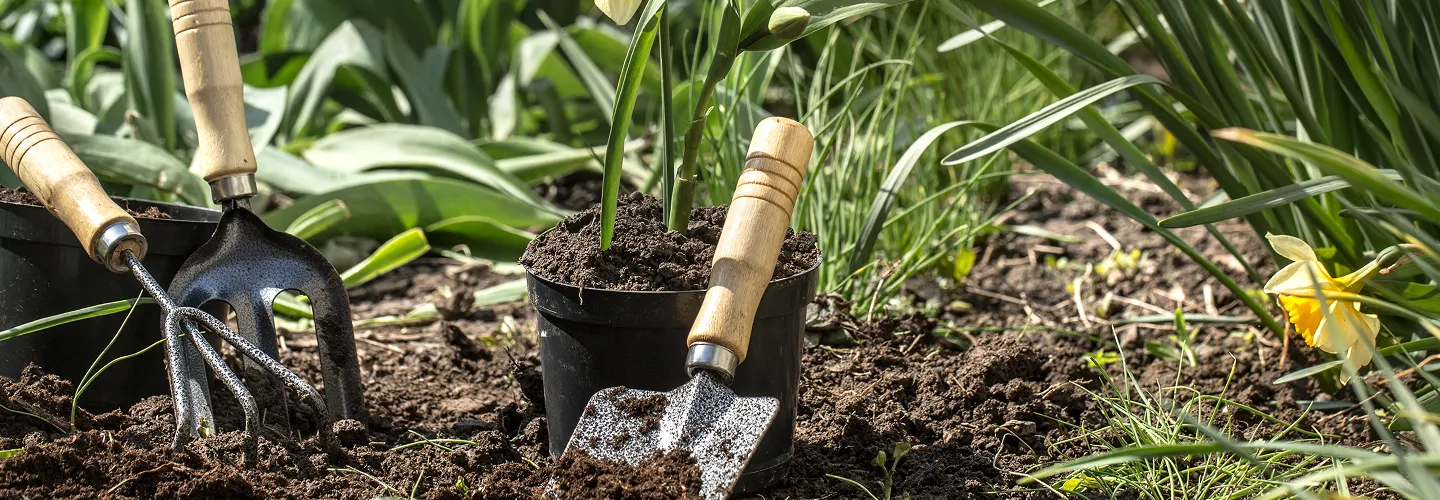
Tarpon Springs Weeding Services
Choose our expert weeding services for a healthier, more beautiful landscape—our experienced team ensures your garden stays vibrant, letting your plants thrive without competition from unwanted weeds.
Get a Free QuoteOur Tarpon Springs Landscaping & Yard Care Services
When to Schedule Weeding in Tarpon Springs, Florida – Seasonal Guide
In Tarpon Springs, Florida, the timing of weeding is crucial for maintaining healthy, attractive landscapes throughout the year. Thanks to our subtropical climate, weeds can thrive nearly year-round, but the most effective periods for weeding are typically late winter through early spring and again in late summer. These windows align with the region’s rainfall patterns and moderate temperatures, making it easier to remove weeds before they set seed and spread. Neighborhoods near Spring Bayou and the historic Sponge Docks often experience higher humidity and denser shade, which can influence weed growth and the best times for intervention.
Local environmental factors such as the sandy, well-draining soils common in areas like Whitcomb Bayou, as well as the risk of drought during late spring, play a significant role in determining the optimal weeding schedule. Additionally, Tarpon Springs’s last frost date usually falls in early February, allowing for early-season weeding without risk to desirable plants. For more information on local environmental guidelines, visit the official resource.
Local Factors to Consider for Weeding in Tarpon Springs
- Tree density and shade coverage, especially in neighborhoods like Sunset Hills
- Soil type and drainage, with sandy soils requiring more frequent attention
- Seasonal precipitation patterns and drought risk
- Proximity to water features, such as Lake Tarpon, which can increase humidity
- Municipal restrictions or guidelines on herbicide use
- Terrain and accessibility of landscaped areas
Benefits of Weeding in Tarpon Springs
Enhanced Curb Appeal
Healthier Plant Growth
Reduced Pest Infestation
Improved Soil Quality
Time and Effort Savings
Professional Landscaping Expertise
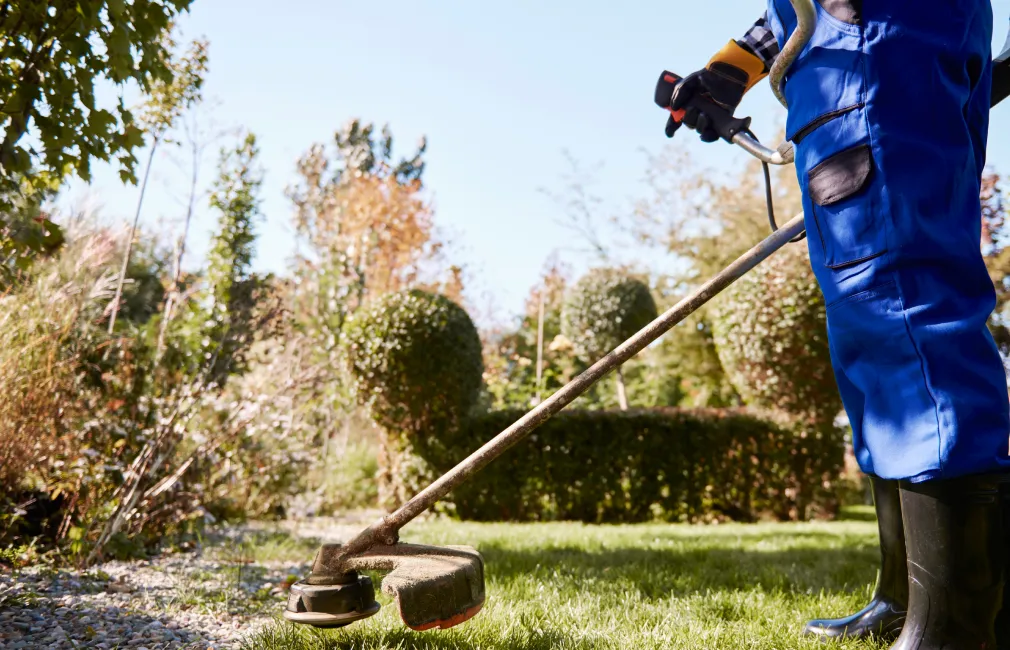
Tarpon Springs Weeding Types

Hand Weeding
-
Mechanical Weeding
-
Mulching for Weed Control
-
Pre-Emergent Herbicide Application
-
Post-Emergent Herbicide Application
-
Flame Weeding
-
Soil Solarization
Our Weeding Process
Site Evaluation
Weed Identification
Targeted Removal
Soil Treatment
Final Inspection
Why Choose Tarpon Springs Landscape Services
Tarpon Springs Homeowners Trust Us
-
Expert Lawn Maintenance
-
Reliable Irrigation Solutions
-
Comprehensive Tree Care
-
Seasonal Clean-Up Services
-
Competitive Pricing
-
Professional Team
-
Satisfaction Guarantee
Coordinating Weeding Activities with Tarpon Springs Public Works and Stormwater Management
Effective weeding in Tarpon Springs requires coordination with city operations, particularly regarding the disposal of vegetative debris and the protection of drainage infrastructure. The Department of Public Works oversees the maintenance of public rights-of-way, swales, and storm drains, which are sensitive to weed debris and chemical runoff. Residents and property managers should ensure that all pulled weeds and plant material are properly contained and set out according to the city’s yard waste collection schedule. It is essential to prevent loose debris from entering curb inlets, swales, or canal edges, as this can obstruct drainage and contribute to local flooding. For larger projects or if using herbicides near public infrastructure, advance notification to Public Works may be required to coordinate safe access and avoid conflicts with municipal maintenance schedules.
- Place all weeding debris in approved containers or bundles for collection
- Avoid leaving piles near storm drains, canals, or swales
- Confirm collection days and procedures with the city before major cleanups
Cooper City Public Works Department
11791 SW 49th Street, Cooper City, FL 33330
Phone: 954-434-2300
Official Website: Cooper City Public Works Department
How Tarpon Springs’s Gulf Coast Climate and Soils Shape Weeding Needs
Tarpon Springs is situated on Florida’s Gulf Coast, characterized by a humid subtropical climate, high summer rainfall, and sandy coastal soils. These conditions create a dynamic environment for weed growth, especially during the wet season from June through September. The region’s sandy soils, as identified by the USDA Web Soil Survey, tend to drain quickly but are prone to nutrient leaching, which can favor opportunistic weed species. Additionally, the proximity to canals, lakes, and retention ponds means that runoff from weeding activities can rapidly reach sensitive water bodies. Key local factors influencing weeding include:
- High humidity and rainfall spur rapid weed flushes after storms
- Sandy soils require careful management to prevent erosion and sediment movement during weeding
- Salt exposure near coastal areas can influence the types of weeds present and the selection of control methods
Regulatory and Environmental Compliance for Weeding in Tarpon Springs
Weeding activities in Tarpon Springs are subject to both municipal and state-level regulations designed to protect water quality and neighborhood appearance. The use of chemical weed control products is regulated under Chapter 487, Florida Statutes, which requires proper licensing for commercial pesticide application. Additionally, the Florida DEP NPDES Stormwater Program mandates that all property owners prevent yard waste, soil, and chemicals from entering storm drains and surface waters. The city may enforce code requirements regarding overgrown vegetation, especially in visible frontages or near public infrastructure. For any weeding work adjacent to canals, swales, or retention areas, extra precautions must be taken to avoid runoff and debris discharge.
- Only licensed applicators may use restricted-use herbicides
- Debris must not be left in the right-of-way or near drainage features
- Verify with the city if special review is needed for large-scale or chemical-intensive projects
Cooper City Code Enforcement Department
9090 SW 50th Place, Cooper City, FL 33328
Phone: 954-436-7323
Official Website: Cooper City Code Enforcement Department
Professional Weeding Methods, Timing, and Standards for Tarpon Springs Landscapes
Professional weeding in Tarpon Springs is most effective when timed before major seed set, particularly after the first flush of growth following summer rains. Hand removal is preferred in sensitive areas, such as near water bodies or storm drains, to minimize the risk of chemical runoff. Where herbicides are used, spot treatments with products approved for Florida landscapes should be applied during dry weather to reduce drift and runoff. Mulching garden beds with organic material can suppress weed emergence and help retain soil moisture, which is especially important in sandy soils. According to UF/IFAS Gardening Solutions, integrated weed management should combine mechanical, cultural, and chemical methods as appropriate for the site.
- Remove weeds before they flower and set seed
- Use mulch to reduce weed pressure and conserve moisture
- Schedule weeding after rainfall events but before weeds mature
- Avoid herbicide application immediately before forecasted rain
What Neighborhoods Do We Serve Throughout Tarpon Springs, FL?
- Downtown Tarpon Springs This historic core features mature landscaping, older lots, and proximity to the Anclote River, requiring careful debris management to protect waterways.
- Whitcomb Bayou Waterfront properties here often have high water tables and direct canal access, making runoff control and salt-tolerant weeding strategies essential.
- Sunset Hills This residential area includes larger lots with established shade trees and mixed drainage patterns, influencing weed growth and removal needs.
- Cypress Park Subdivision fill soils and newer landscaping in this area demand attention to soil disturbance and irrigation-driven weed cycles.
- Oakleaf Village With a mix of sun and shade exposures and HOA-managed common areas, weeding must address both private and shared landscape standards.
- Keystone Rural-edge lots and natural preserves nearby mean invasive species and drainage-sensitive sites are common concerns for weeding.