
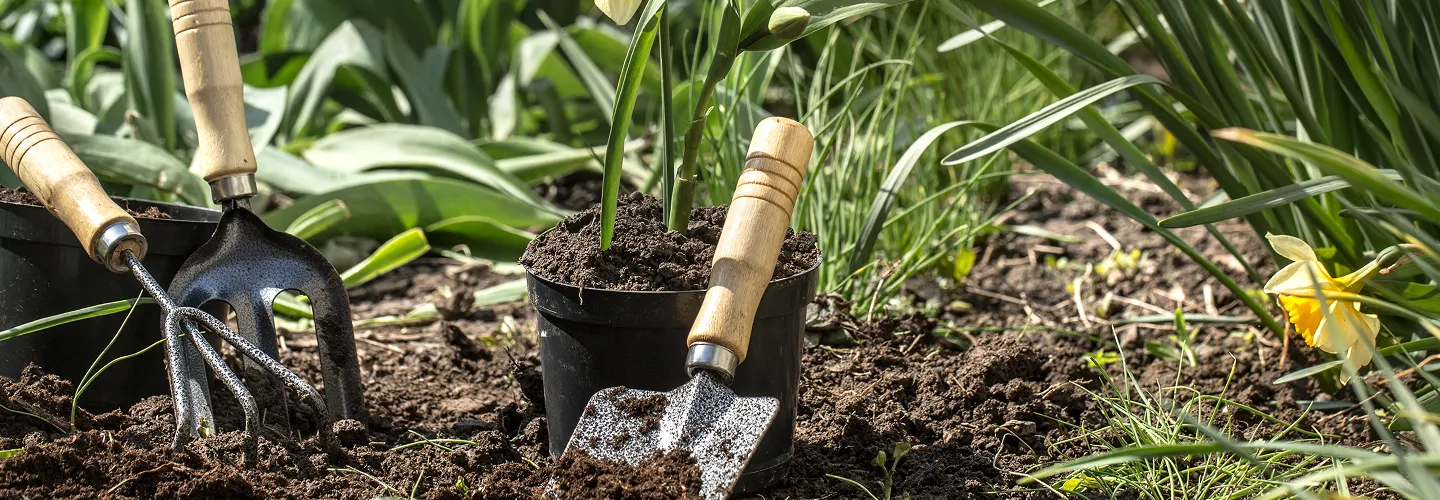
Tarpon Springs Flower Bed Maintenance Services
Choose our Flower Bed Maintenance for expert care, vibrant blooms, and a hassle-free experience that keeps your garden looking its best season after season.
Get a Free QuoteOur Tarpon Springs Landscaping & Yard Care Services
When to Schedule Flower Bed Maintenance in Tarpon Springs, Florida – Seasonal Guide
In Tarpon Springs, Florida, the timing of flower bed maintenance is closely tied to our unique subtropical climate and the specific needs of local landscapes. With mild winters and hot, humid summers, the best periods for comprehensive flower bed care are typically late winter through early spring and again in early fall. These windows allow for optimal plant health, as they avoid the stress of peak summer heat and the rare but possible winter frosts. Neighborhoods near Spring Bayou and the historic Sponge Docks often experience microclimates influenced by proximity to water, which can affect soil moisture and temperature, making timing even more important.
Local environmental factors such as the sandy, well-draining soils common in areas like Whitcomb Bayou, as well as the prevalence of shade from mature oaks in Riverside or Inness Park, play a significant role in determining when and how to maintain flower beds. Monitoring the last frost date—usually in late January or early February—and being mindful of drought risk during late spring and summer are essential. For more information on local climate patterns and gardening resources, visit the official city website.
Local Factors to Consider for Flower Bed Maintenance in Tarpon Springs
- Tree density and shade coverage, especially in neighborhoods with mature landscaping
- Soil type and drainage, with sandy soils requiring different care than clay-rich areas
- Seasonal precipitation patterns and risk of drought
- Proximity to water bodies, which can influence humidity and microclimates
- Municipal restrictions or guidelines on watering and landscaping
- Terrain variations, such as sloped yards versus flat lots
Benefits of Flower Bed Maintenance in Tarpon Springs
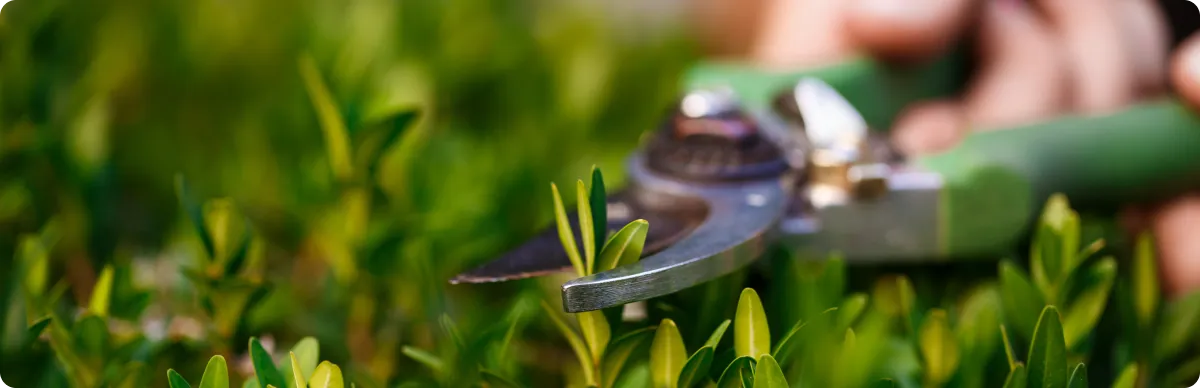
Enhanced Curb Appeal
Weed and Pest Prevention
Healthier Plant Growth
Seasonal Color Management
Professional Landscape Expertise
Time and Effort Savings
Tarpon Springs Flower Bed Maintenance Types

Seasonal Flower Planting
-
Weed Control Services
-
Mulching and Soil Conditioning
-
Pruning and Deadheading
-
Fertilization Programs
-
Pest and Disease Management
-
Edging and Bed Redefining
Our Flower Bed Maintenance Process
Site Evaluation
Weed Removal
Soil Preparation
Plant Care
Mulching
Why Choose Tarpon Springs Landscape Services
Tarpon Springs Homeowners Trust Us
-
Expert Lawn Maintenance
-
Reliable Irrigation Solutions
-
Comprehensive Tree Care
-
Seasonal Clean-Up Services
-
Competitive Pricing
-
Professional Team
-
Satisfaction Guarantee
Coordinating Flower Bed Maintenance with Tarpon Springs Public Works and Parks
Flower bed maintenance in Tarpon Springs requires coordination with city departments to ensure that landscape debris, mulch, and plant material are managed in accordance with municipal procedures. The Department of Public Works oversees the maintenance of public rights-of-way, drainage systems, and landscaping, which includes the collection and proper disposal of yard waste generated from flower bed upkeep. Residents and property managers should ensure that all vegetative debris is placed in approved containers or bundled according to city guidelines for scheduled pickup. Additionally, when maintaining beds adjacent to public spaces or drainage features, it is essential to prevent mulch, soil, and plant clippings from entering swales, storm drains, or canals, as this can contribute to local flooding and water quality issues. For flower beds in parks or public medians, the Parks and Recreation Division may set specific standards for plant selection, irrigation, and seasonal replanting. Always verify current collection schedules and disposal requirements with the city before undertaking large-scale bed renovations.
Cooper City Public Works Department
11791 SW 49th Street, Cooper City, FL 33330
Phone: 954-434-2300
Official Website: Cooper City Public Works Department
How Tarpon Springs’s Gulf Coast Climate and Soils Shape Flower Bed Care
Tarpon Springs is situated in the Gulf Coast Florida region, characterized by a humid subtropical climate, high summer temperatures, and a pronounced wet season from June through September. These conditions directly impact flower bed maintenance in several ways:
- Sandy and fill-based soils are common, leading to rapid drainage and increased irrigation needs for shallow-rooted annuals and perennials.
- High humidity and frequent rainfall during the wet season can promote fungal diseases and accelerate weed growth in beds.
- Proximity to the Gulf means some areas experience salt spray or brackish water exposure, requiring salt-tolerant plant selections.
The USDA Plant Hardiness Zone for Tarpon Springs is 10a, supporting a wide range of subtropical and tropical ornamentals, but also necessitating careful attention to mulch depth and irrigation emitter placement to prevent water loss and root stress. Runoff from beds can quickly reach local swales, ponds, or storm drains, so maintaining a buffer of mulch and avoiding overwatering are critical for both plant health and environmental protection. For more on local soils, consult the USDA Web Soil Survey.
Regulatory Requirements and Environmental Compliance for Flower Bed Maintenance
Maintaining flower beds in Tarpon Springs involves compliance with both municipal and state-level regulations. The city may enforce codes related to property appearance, debris containment, and right-of-way maintenance, particularly for beds bordering public sidewalks or drainage features. The Florida Statutes §403.9337 establishes a model ordinance for fertilizer use on urban landscapes, which applies to flower beds as well as turf. Residents should:
- Avoid fertilizer application during the wet season to reduce nutrient runoff into local waterways.
- Use only licensed applicators for any pesticide or herbicide treatments, as required by FDACS Pesticide Applicator Licensing.
- Keep all mulch, soil, and plant debris out of storm drains and swales to comply with Florida DEP NPDES Stormwater Program requirements.
For code enforcement or questions about property maintenance standards, contact the city’s Code Enforcement Department.
Cooper City Code Enforcement Department
9090 SW 50th Place, Cooper City, FL 33328
Phone: 954-436-7323
Official Website: Cooper City Code Enforcement Department
Professional Methods and Seasonal Timing for Flower Bed Maintenance in Tarpon Springs
Effective flower bed maintenance in Tarpon Springs is shaped by the city’s climate and environmental context. Professional standards emphasize:
- Installing drip irrigation or micro-spray emitters to deliver water directly to plant roots, minimizing evaporation and runoff (see EPA WaterSense Outdoors).
- Applying mulch at a depth of 2-3 inches to conserve soil moisture, suppress weeds, and buffer soil temperature, but keeping mulch away from plant stems to prevent rot.
- Scheduling deadheading, pruning, and seasonal replanting before the onset of the wet season to reduce disease risk and ensure vigorous regrowth.
- Removing spent annuals and cleaning up plant debris promptly to prevent pest harborage and maintain neighborhood appearance.
Routine inspection of irrigation systems and mulch coverage is recommended, especially after heavy rains, to prevent erosion and ensure that beds do not contribute to stormwater runoff. For guidance on plant selection and maintenance timing, refer to UF/IFAS Gardening Solutions.
What Neighborhoods Do We Serve Throughout Tarpon Springs, FL?
- Downtown Tarpon Springs This historic core features mature landscaping, smaller lots, and frequent proximity to public sidewalks and drainage inlets.
- Whitcomb Bayou Many properties here are adjacent to water, requiring careful management of runoff and salt-tolerant plantings in beds.
- Sunset Hills Larger lots and established tree canopies create both shade and irrigation challenges for flower beds.
- Cypress Park This area includes newer subdivisions with fill-based soils and HOA landscaping standards that may affect bed design.
- Tarpon Shores Close to canals and retention ponds, flower beds in this neighborhood must be managed to prevent nutrient runoff and debris accumulation.
- Oakleaf Village Features a mix of sun and shade exposures, with moderate lot sizes and a variety of ornamental plantings.
- Keystone Rural and semi-rural lots here often have larger beds and unique drainage considerations due to proximity to wetlands and natural preserves.