
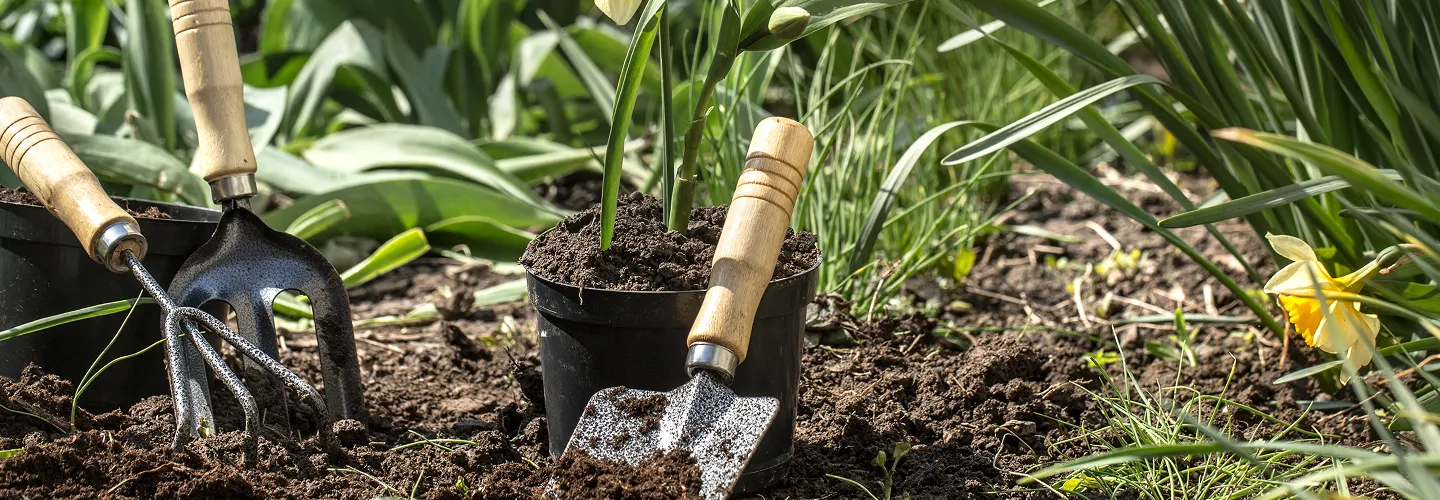
Tarpon Springs Plant Removal Services
Choose our plant removal services for safe, thorough, and environmentally responsible solutions that restore your landscape’s beauty while protecting your property from unwanted growth.
Get a Free QuoteOur Tarpon Springs Landscaping & Yard Care Services
When to Schedule Plant Removal in Tarpon Springs, Florida – Seasonal Guide
In Tarpon Springs, Florida, timing your plant removal is crucial for both the health of your landscape and compliance with local guidelines. The region’s subtropical climate means that the best periods for plant removal are typically late winter through early spring, just after the last frost date and before the onset of the rainy season. This window allows for easier root extraction and minimizes stress on surrounding vegetation. Neighborhoods near Fred Howard Park and along the Anclote River often experience higher humidity and denser shade, which can affect soil moisture and removal logistics.
Local environmental factors such as sandy soils, periodic drought risk, and municipal restrictions—especially in historic districts—should be considered when planning your project. For example, areas around Spring Bayou may have unique soil drainage issues, while communities closer to downtown may face stricter landscaping ordinances. For more information on local regulations, visit the official municipal website.
Local Factors to Consider for Plant Removal in Tarpon Springs
- Tree and shrub density in your yard
- Terrain slope and soil composition (sandy vs. clay)
- Seasonal precipitation and humidity levels
- Proximity to protected wetlands or conservation areas
- Municipal restrictions and permit requirements
- Shade coverage from mature trees
- Risk of drought or flooding during certain months
Benefits of Plant Removal in Tarpon Springs
Expert Landscaping Team
Efficient Plant Removal
Eco-Friendly Disposal
Improved Curb Appeal
Customized Solutions
Competitive Pricing
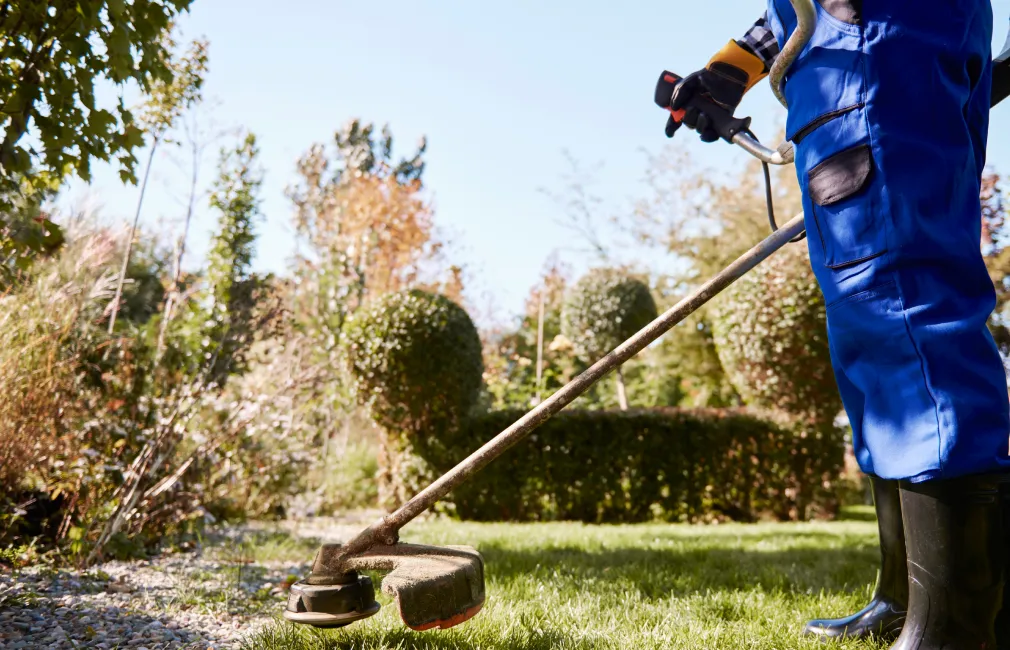
Tarpon Springs Plant Removal Types

Invasive Species Removal
Removal of non-native plants that threaten local ecosystems.
-
Tree and Shrub Extraction
Safe and efficient removal of unwanted trees and shrubs from your landscape.
-
Stump Grinding and Removal
Complete elimination of tree stumps to clear space and prevent regrowth.
-
Overgrown Vegetation Clearing
Clearing dense or overgrown areas to restore your landscape’s appearance.
-
Root System Removal
Thorough extraction of plant root systems to prevent future growth.
-
Seasonal Plant Removal
Removal of annuals and perennials at the end of their lifecycle.
-
Weed and Brush Removal
Targeted removal of weeds and brush to maintain a tidy landscape.
Our Plant Removal Process
Site Evaluation
Preparation and Safety Measures
Plant Extraction
Debris Removal
Site Restoration
Why Choose Tarpon Springs Landscape Services
Tarpon Springs Homeowners Trust Us
-
Expert Lawn Maintenance
-
Reliable Irrigation Solutions
-
Comprehensive Tree Care
-
Seasonal Clean-Up Services
-
Competitive Pricing
-
Professional Team
-
Satisfaction Guarantee
Coordinating Plant Removal with Tarpon Springs Public Works and Stormwater Management
Plant removal in Tarpon Springs requires careful coordination with city services to ensure that vegetative debris is handled in accordance with municipal procedures and does not impact local drainage systems. The Department of Public Works oversees the collection and disposal of plant material, including roots and invasive species, and provides guidance on proper placement of debris for curbside pickup. Residents and property managers should avoid placing plant debris in swales, storm drains, or canal edges to prevent blockages and water quality issues. For larger projects or removals near public rights-of-way, it is advisable to notify the department in advance to confirm collection schedules and any special handling requirements. The city may also issue specific instructions during storm season or after major weather events to prioritize debris removal and protect drainage infrastructure.
- Place all plant debris in designated areas, away from stormwater inlets
- Separate plant material from other waste types for collection
- Confirm collection timing with the Department of Public Works, especially after storms
Cooper City Public Works Department
11791 SW 49th Street, Cooper City, FL 33330
Phone: 954-434-2300
Official Website: Cooper City Public Works Department
How Tarpon Springs’s Gulf Coast Conditions Shape Plant Removal Practices
Tarpon Springs is situated on Florida’s Gulf Coast, characterized by a humid subtropical climate, high summer rainfall, and sandy coastal soils. These conditions influence plant removal in several ways:
- Sandy soils, common in the area according to the USDA Web Soil Survey, can be easily disturbed during root extraction, increasing erosion risk if sites are not stabilized after removal.
- The region’s wet season, typically from June through September, brings intense rainfall that can quickly transport loose soil and plant debris into swales, canals, and storm drains, impacting water quality and drainage.
- Proximity to saltwater and brackish environments means some sites may experience salt exposure, affecting both the types of plants present and the methods used for removal and site restoration.
Property owners should consider these factors when planning removal projects, especially in areas adjacent to water bodies or with a high water table.
Regulatory Requirements and Environmental Compliance for Plant Removal in Tarpon Springs
Plant removal activities in Tarpon Springs are subject to both municipal and state-level regulations designed to protect public infrastructure and water resources. The city may require review or permits for removals that impact public rights-of-way, drainage easements, or environmentally sensitive areas. Code enforcement officers monitor compliance with property maintenance and debris disposal standards, and improper disposal can result in citations. At the state level, the Florida DEP NPDES Stormwater Program sets requirements for preventing sediment and debris from entering stormwater systems, while the Clean Water Act provides federal oversight of water quality impacts. For projects involving herbicide use, applicators must comply with FDACS pesticide licensing. It is essential to verify current city requirements before beginning any large-scale removal, especially near canals, lakes, or retention areas.
- Confirm if a permit or review is needed for removals near public infrastructure
- Follow city guidelines for debris placement and collection
- Ensure all chemical applications are performed by licensed professionals
Cooper City Code Enforcement Department
9090 SW 50th Place, Cooper City, FL 33328
Phone: 954-436-7323
Official Website: Cooper City Code Enforcement Department
Professional Methods and Timing for Plant Removal in Tarpon Springs’s Coastal Environment
Effective plant removal in Tarpon Springs requires attention to both timing and technique to minimize site disturbance and environmental impact. Removal is often scheduled outside of the peak wet season to reduce the risk of soil erosion and runoff. When extracting plants, especially those with extensive root systems, it is important to stabilize exposed soil promptly—using mulch, ground cover, or erosion-control fabric—to prevent sediment from entering nearby drainage features. Invasive or nuisance species should be bagged and disposed of according to city guidelines to prevent reestablishment. For sites near water bodies, additional precautions such as silt fencing or buffer zones may be warranted. Professional standards recommend:
- Scheduling removal during drier months when possible
- Using hand tools or low-impact equipment to limit soil disruption
- Immediately stabilizing disturbed areas to protect water quality
Refer to UF/IFAS Gardening Solutions - Protecting Florida’s Water Resources for further guidance on runoff prevention and site restoration.
What Neighborhoods Do We Serve Throughout Tarpon Springs, FL?
- Downtown Tarpon Springs This historic core features mature landscaping and older lots with established trees and shrubs, often requiring careful removal to protect adjacent sidewalks and drainage.
- Whitcomb Bayou Waterfront properties here are adjacent to canals and bayous, making runoff control and debris containment especially important during plant removal.
- Sunset Hills Larger lots and a mix of shade and sun exposure characterize this area, with many properties bordering retention ponds or swales.
- Cypress Park This neighborhood includes newer subdivisions with fill-based soils and engineered drainage, requiring attention to soil stabilization after removal.
- Oakleaf Village Residential lots here often have mature trees and proximity to greenways, necessitating coordination for debris pickup and site restoration.
- Keystone Rural and semi-rural properties in this area may have larger-scale removal needs and unique access considerations for equipment and debris hauling.